
About EZAIA
Representing the people, knowledge and shared commitment behind Victoria's Eastern Zone wild abalone fishery.
Supporting the Eastern Zone Abalone Industry
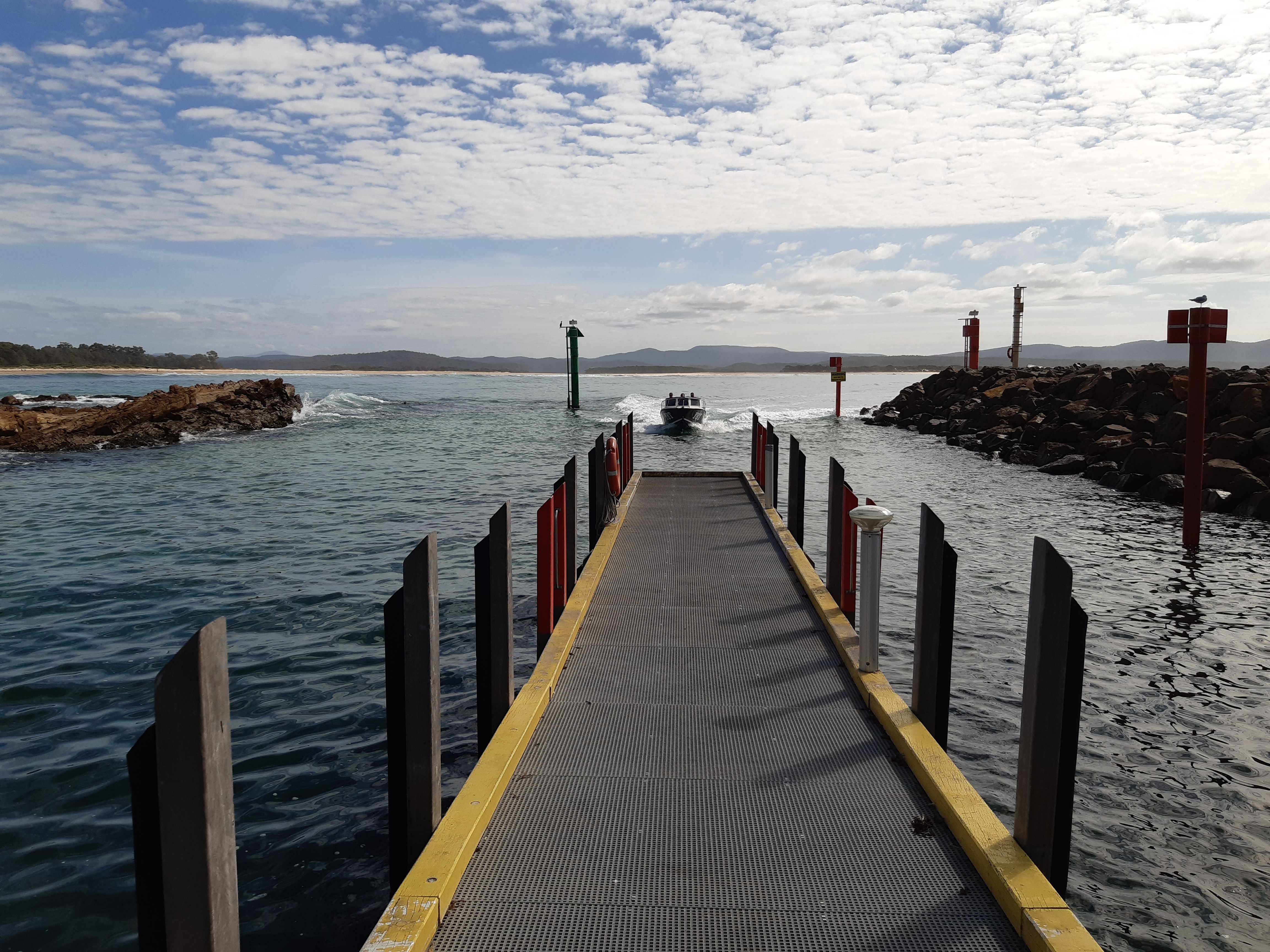
The Eastern Zone Abalone Industry Association represents licence holders, divers and industry members operating along Victoria's eastern coastline. EZAIA works with government, researchers and regional partners to support a productive, sustainable and responsibly managed wild-catch abalone fishery.
Through collaboration and evidence-based stewardship, we ensure the Eastern Zone abalone fishery remains a resilient and economically viable industry for current and future generations.
1999
Established
Industry-led association founded to represent and advocate for the Eastern Zone
23
Licensed Operators
From Lakes Entrance to Mallacoota, representing the entire Eastern Zone
60+
Years of Heritage
Wild-catch abalone fishery dating back to the early 1960s
Executive Leadership

Helen Burvill
Executive Officer
Helen has worked in the seafood industry in various capacities for over 32 years. Prior to joining EZAIA, she worked in an aquatic biosecurity role covering Northern Australia. Helen provides leadership for the development and sustainability of the abalone wild-catch fishery and has extensive knowledge of industry issues, policies and regulatory challenges.
Get in TouchGenerations Connected to the Ocean
The Eastern Zone fishery brings together decades of experience, multigenerational knowledge and a shared responsibility for the future of the marine environment. Many members have worked in the industry for much of their lives and maintain strong connections to Mallacoota, Lakes Entrance and surrounding coastal communities.
This deep connection to place and ocean stewardship defines EZAIA's commitment to sustainable fisheries management and environmental protection.
Committee and Members
Executive Leadership

Joe Peel
President
Joe arrived in Mallacoota in 1968 and bought into the industry in 1985. He remains very active in the industry and community.
Brendan Wadsworth
Diver
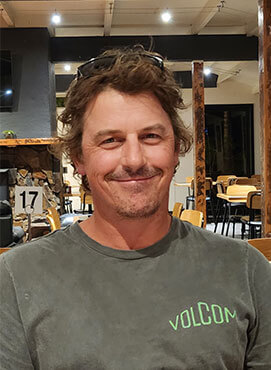
Brendan started as a deckhand and transitioned to commercial diving. He has been abalone diving for over ten years.
Chris Daniel
Secretary
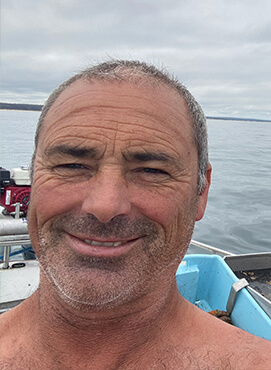
Chris started as a deckhand in 1996 and began diving three years later. He grew up in East Gippsland and lives in Marlo with his family.
Helen Burvill
Executive Officer
32 years in the seafood industry with extensive knowledge of policy, regulatory challenges and fisheries management.
Members
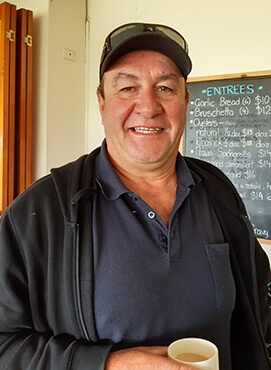
Reinhard Strauss
License holder & Diver
Over 40 years diving for urchins and abalone. Also runs a charter business in Mallacoota.
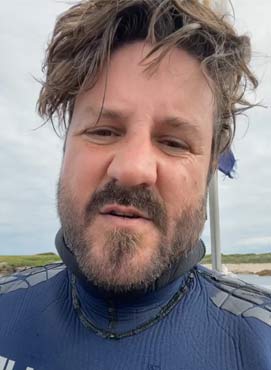
Grant Shoreland Jnr
Diver
2nd generation abalone diver born and bred in Mallacoota. Owner of Scallywags Restaurant.

Rachel Durham
Accounts
Joined EZAIA in September 2023. Grew up in Mallacoota with strong ties to the abalone industry.
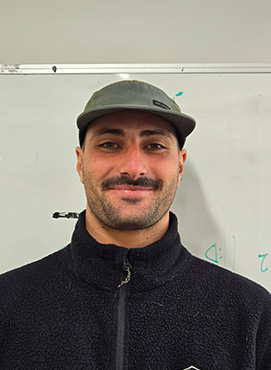
Reuben Cooper Battel
Diver
3rd generation diver. Passionate about keeping the abalone industry sustainable for future generations.
A Fishery That Continues to Evolve
Victoria's Eastern Zone abalone fishery has adapted over time, responding to environmental, social and economic challenges while maintaining a strong focus on sustainability and responsible management.
Market Conditions
Export demand, aquaculture competition, currency fluctuations and rising operating costs.
Changing Demographics
Participation in recreational fishing influencing demand and access patterns.
Biosecurity Risks
Potential for abalone disease and other marine biosecurity threats.
Marine Protected Areas
Establishment of MPAs over traditional fishing grounds.
Sea Urchin Populations
Increasing populations along parts of the eastern coastline.
Responsible Harvesting
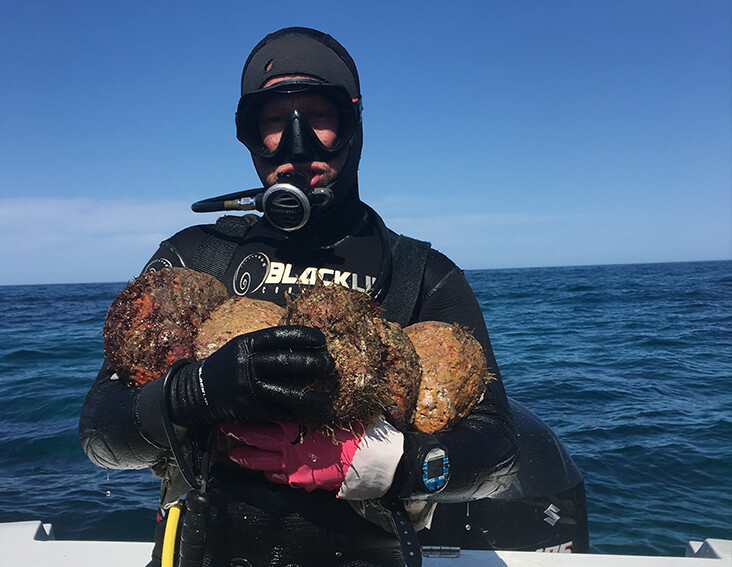
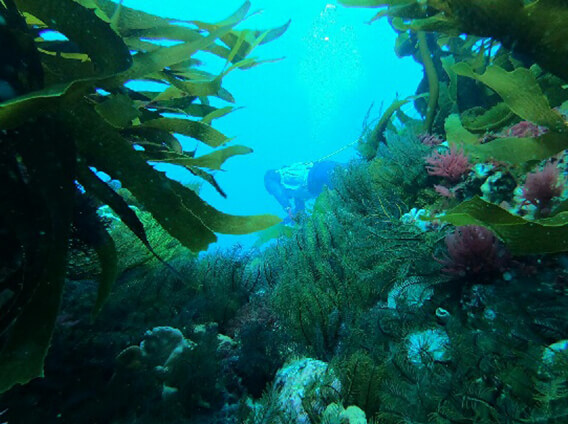
Abalone in the Eastern Zone are hand-harvested by highly skilled commercial divers using "hookah" surface-supplied breathing systems. This method allows divers to remain underwater for extended periods while working safely and efficiently.
Dive Preparation
Diver and deckhand prepare equipment, conduct safety checks and plan the dive operation.
Hand Harvesting
Diver uses a specialised tool to carefully remove abalone from the reef, minimising habitat damage.
Catch Measurement
All abalone are measured to ensure compliance with minimum size gauges per Fisheries Regulations 2019.
Responsible Handling
Catch is carefully collected and secured to minimise damage and ensure product quality.
Protecting the Fishery
Diver Safety
Abalone diving is a high-risk occupation. Decompression sickness ("the bends") is a primary concern. Strict safety protocols, training and operational discipline are essential to managing these risks.
Ongoing investment in safety equipment and training.
Compliance & Enforcement
Illegal fishing (poaching) poses a significant threat to fishery sustainability. The Victorian Fisheries Authority (VFA) delivers an intelligence-led compliance program targeting serious and organised illegal activity.
Report suspected illegal fishing: 13 FISH (13 3474)
Habitat Restoration
EZAIA and partners have invested in reef restoration and sea urchin management to restore productive marine habitat and support long-term fishery sustainability.
Collaborative science-based management approach.
Responding to Changing Ocean Conditions
The strengthening East Australian Current has contributed to increasing sea urchin populations along parts of the coastline, leading to "urchin barrens"—areas where grazing has stripped reefs of productive habitat.
~$500K
Raised for Restoration
Industry funding for urchin culling and reef restoration efforts.
105 ha
Reef Restored
Equivalent to approximately 42 MCGs—significant on a global scale.
Ongoing
Collaboration
VFA and VSUDA working together on sea urchin harvesting strategies.
Sea Urchin Management Video
INDUSTRY • RESEARCH • PARTNERSHIPS
Looking Ahead
The Eastern Zone abalone fishery continues to adapt to a changing marine environment while maintaining its commitment to sustainability, productivity and responsible stewardship. Through collaboration between industry, scientists and regulators, the fishery remains well-positioned to meet future challenges.
Research and Management Resources
Fisheries Act 1995
Victorian legislation governing commercial and recreational fishing.
View legislation →
Fisheries Regulation 2019
Current regulations governing abalone harvesting and compliance.
View regulations →
Victorian Wild Harvest Abalone Fishery Management Plan
Comprehensive management framework for sustainable abalone fisheries.
Download PDF →
VFA Abalone Fishery Overview
Victorian Fisheries Authority information on abalone management and compliance.
View information →
Reef Restoration at Gunshot Reef, Eastern Victoria
Research report on sea urchin management and reef restoration outcomes.
Download report →
Victoria's Fisheries and Aquaculture: Economic and Social Contributions
UTS research on the economic impact of Victoria's fisheries sector.
View research →
INDUSTRY • RESEARCH • PARTNERSHIPS
Connect with EZAIA
Contact us for industry enquiries, research information, stakeholder collaboration or questions about Victoria's Eastern Zone abalone fishery.